



Lunar New Year Rituals to Invite Good Luck Into Your Life
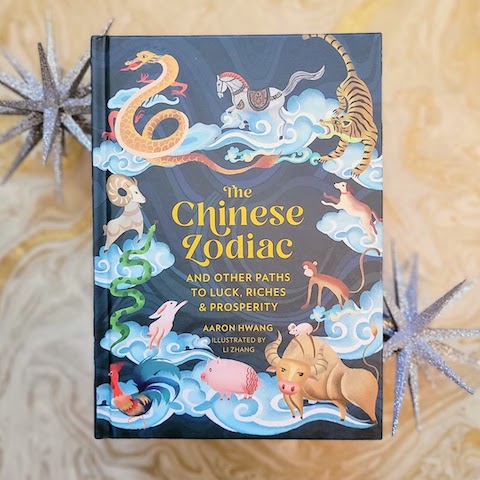
Lunar New Year is an auspicious period for luck and prosperity! To learn how to bring good fortune into your year, we turn to Aaron Hwang, author of The Chinese Zodiac And Other Paths to Luck, Riches & Prosperity, plus the middle-grade adaptation A Kid’s Guide to the Chinese Zodiac and Chinese Mythology.
Read on to learn about Lunar New Year and how to celebrate it (adapted excerpt courtesy of The Chinese Zodiac). Plus, find a profile of the 2026 Animal: the Fire Horse.
P.S. Did you know that your Chinese horoscope actually contains four animals? Discover your full horoscope with The Chinese Zodiac.
Global Traditions
While both traditions are sometimes referred to as Chinese, the Zodiac and Lunar New Year are both celebrated by numerous cultures around the world. Tibet, Korea, Japan, and Vietnam all celebrate Lunar New Years at almost the exact same time and often incorporate similar traditions, influenced by China’s role as an ancient imperial power. Mongolia’s Lunar New Year, Tsagaan Sar, begins exactly one lunar month earlier, at the first new moon after solstice, whereas many Muslim ethnic groups in Asia celebrate Nowruz on March 21. And of course, Lunar New Years are also celebrated by overseas populations around the world, from Indonesia to the United States!
The Chinese Zodiac’s story is similar. Although many of its roots trace back to China, it has also spread and evolved in different nations around the world. Identical or similar Zodiacs are observed in Korea, Japan, Vietnam, Cambodia, Thailand, and more places, sometimes with the exact animals modified to better match the local culture.
The Lunar New Year
The Lunar New Year is the biggest annual exodus in the entire world, a time when people go home to reunite with loved ones and usher in the new year together. The traditional celebration is a multiday affair—and considered a key time to refresh one’s luck and welcome in new fortune. In places where it’s widely celebrated, there is often a rush leading up to it, similar to the rush before Christmas in Western countries. Traditions and rituals around luck are amplified and deserve extra attention if the year is to start off right. Pay special attention to bad omens that may be lurking as those carry extra weight as well in this transitional period.
Fresh Start
In the days before Lunar New Year, families do an intense full-house cleaning. This is believed to sweep out bad luck and bad spirits so that the house is fresh and ready for the new year’s luck to flow inside. The same advice should be applied in reverse—try not to clean immediately after the New Year unless you want to sweep all that good luck back out again! Hair should not be cut because the homophone “fà” for “hair” sounds like the word for making money, which nobody wants cut short during such an auspicious time.
In Taoist and Buddhist households, altars and statues are cleaned, refreshed, and redecorated. Domestic spirit protectors, such as the Kitchen God, are given gifts of sweet food and their paper likenesses are burned, as this is the time when they return to Jade Emperor to report on the household’s conduct. New clothes and repaying debts are also considered good for procuring a fresh start.
Lucky Decoration
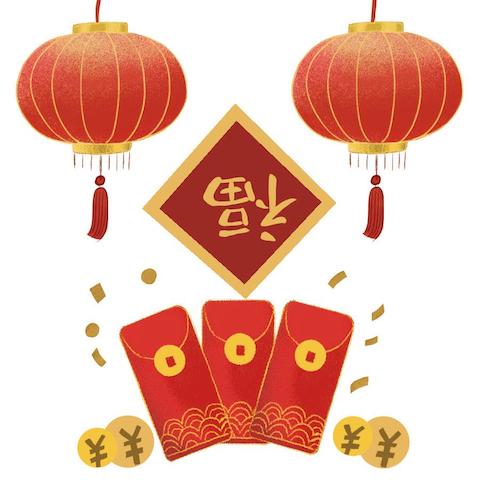
On the Lunar New Year, luck is literally hung from the walls. Houses and doors are decorated with red paper that have auspicious wishes and elaborate designs. Red is a symbol of joy, virtue, and life, and the word “hóng” (red) is a homophone for “prosperous.” One of the most common wishes to hang is the character “fú”, which literally means “good luck.” This character is inscribed in gold strokes upon a red paper diamond and hung upside down on walls and doors to welcome in fortune. These lucky papers are hung upside down because the Chinese phrase for “upside-down fú” is “fú dàole,” which sounds just like the phrase “luck arrives.”

Lucky Food
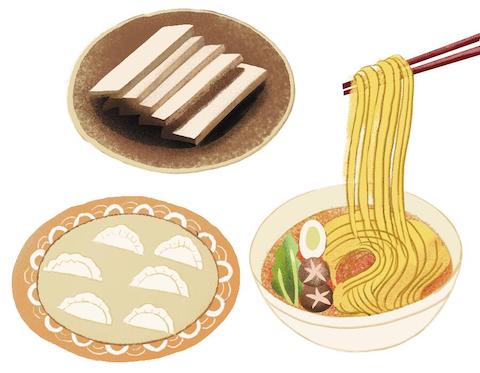
The most significant event of New Year’s Eve, and perhaps the entire New Year, is the reunion feast. After the ancestors are paid their respects, the living family shares in a bounteous dinner, often sharing foods chosen for their lucky associations. This lucky dinner represents both the fruit of the old year’s labor and the bounty of fortune the family hopes to consume in the new year. In the traditionally rice-farming South, niángāo (fried rice cakes) are featured for sounding like the phrase “raised higher every year.” In the North, jiăozi (dumplings) are eaten as they resemble the gold ingot of old and sound like the phrase “crossing of the midnight hour.”
Other lucky homophone dishes include:
- FISH (yú—sounds like “abundance”)
- SWEET RICE DUMPLINGS (tāngyuán—sounds like tuányuán, “reunion”)
- ORANGES (júzi—sounds like jí, “lucky”)
- APPLES (píngguŏ—invokes píng’ān, “safe and sound”)
- UNCUT NOODLES, whose long shape represents longevity
One thing to watch out for—if you have a bowl of rice at this or any dinner, try to avoid planting chopsticks vertically in it. The resemblance to incense sticks, which are burned for the dead, is an invitation of ill fortune.
Firecrackers, Lions, and Red
Starting with midnight on the eve of the New Year and lasting through the next day, firecrackers and other noisemakers are set off. Along with wearing the lucky color red, these noises and lights scare off any evil spirits that might still remain—particularly the monster Nian who symbolizes the old year.
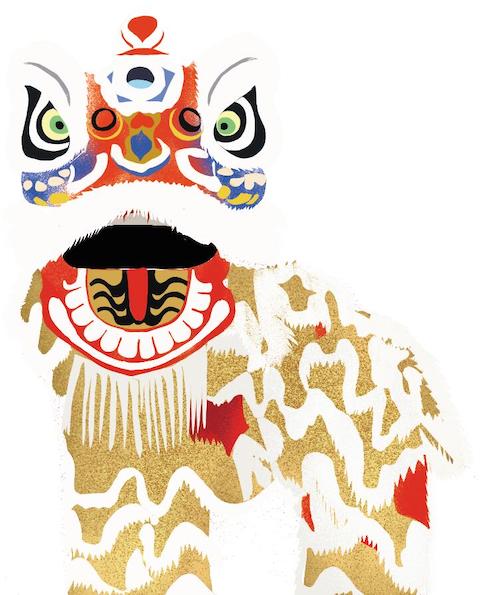
Finally, Lion Dances may be performed to clear even the bravest of evil spirits from the premises. On New Year’s Day, dance troops manipulate a massive lion costume in a vibrant dance, traveling up and down the streets. Going to see a Lion Dance at your local Chinatown parade is another great way to chase off any unlucky spirits that may be haunting you.
Red Envelopes
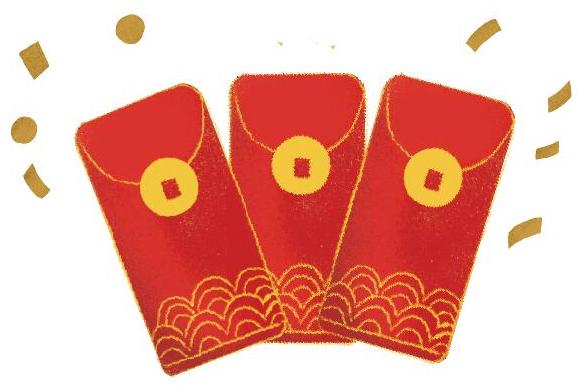
The last iconic lucky practice of the Lunar New Year is giving well- wishes in lucky red envelopes. In this family exchange, the younger generation seeks out their elders. With a special bow called a kētóu (or kowtow) young people wish parents, aunts, uncles, and grandparents thanks, good luck, and a happy new year. In exchange, older family members present the youngsters with lucky red envelopes, called hóngbāo, which are filled with money. These lucky envelopes are thought to bring good luck, keep away bad spirits, and stave off old age. Ideally, the amount given should not include the number 4 in any way (as in $4, $40, $80 given through four $20 bills, etc.). Refresh yourself on lucky and unlucky numbers and consider giving a red envelope to someone special in your life.
Throw a Lunar New Year Party
The quintessential element of any Lunar New Year celebration is eating a communal meal. The holiday is about reunion and togetherness, as much as it is about looking forward to the fortune of a new year. If you can, gather with friends to share a special feast. If you can supplement it with lucky foods, decoration, and dress, so much the better! Prepare a clean house, noisemakers, or red envelopes to give. If you’re looking for inspiration, consider some of the lucky practices outlined in this chapter. Some people also like to include something related to the new Zodiac animal to represent and honor the new year.
When midnight comes, celebrate loudly. Just be careful to scare the evil spirits, and not your neighbors. If you’re looking for New Year well-wishes, Mandarin sayings include xīnnián kuàilè (Happy New Year), gōngxĭ fācái (wish you happiness and wealth), and jíxiáng rúyì (may you be as fortunate as you wish). Most important of all, try to approach the New Year with an open heart. One cannot always expect to be lucky, but anybody can wish for luck—for ourselves, for our loved ones. Wishing means we are active participants in our lives, and that there are things in life worth waiting for. As the next New Year approaches, move toward it with sure steps and clear eyes. Don’t forget that gratitude is to the past what wishing is to the future, an honoring of all that life has to offer. Celebrate all that you’ve accomplished so far, as it will fortify you moving forward.
2026: The Year of the Fire Horse
PRIMARY ASSOCIATIONS: action, strength, movement, competition
SEASON: summer
INHERENT ELEMENT: Yang Fire
YEARS: 1930, 1942, 1954, 1966, 1978, 1990, 2002, 2014, 2026, 2038, 2050
High Noon and Zenith
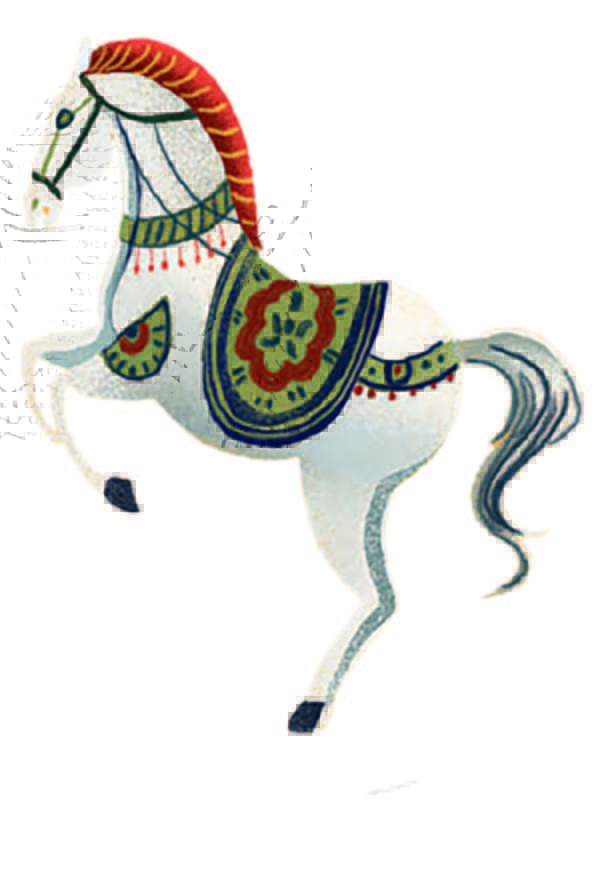
The Horse is the seventh animal of the Zodiac, associated with the middle of summer, with action and physical power. Horse governs the high noon hours of eleven to one, when the sun is at its peak and people are full of energy, industry, and motion. The sign of Yang Fire, the Horse is full of explosive power, ready to move, initiate, bring things into being.

Horse and the Element of Fire
Fire Horses are untamed bucking broncos. Their natural element intensified, they have a wild streak, a core that burns white hot. Creative, gifted, unstoppable, they have little interest in the establishment and cut an incandescent swath toward their goals. Although they often burn with a sense of justice, they must be careful to monitor their warlike tendencies.
Action Over Thought
The internal Snake is overturned by the headstrong Horse. Whereas the Snake ponders what lies beneath, the Horse feels no need to ponder at all. To the Horse, life is simply what it is. The Horse exemplifies action without overthinking, like professional athletes who have perfected their technique so that the motions are instinctual. Horse signs are social and headstrong. They go with their gut, and this makes them appear quick-witted and confident. They are excellent at sports and earnest communicators.
Pinnacle of Power
Horses are also creatures of abundant energy. Like the noonday sun, they represent irresistible force and power. Horses are decisive, mobile, and difficult to defeat in an argument. Their natural way of thinking leads them to a kind of sturdy and unassailable logic. As with the Ox, there are few better choices if you need something done; the Horse excels at pushing a project to completion. However, unlike the Ox, who is a steady flow of energy, dependable, and even, the Horse is a brilliant and fast-burning flame. Horse signs are unafraid to give their all and push themselves past the brink of exhaustion.
Horses in Myth
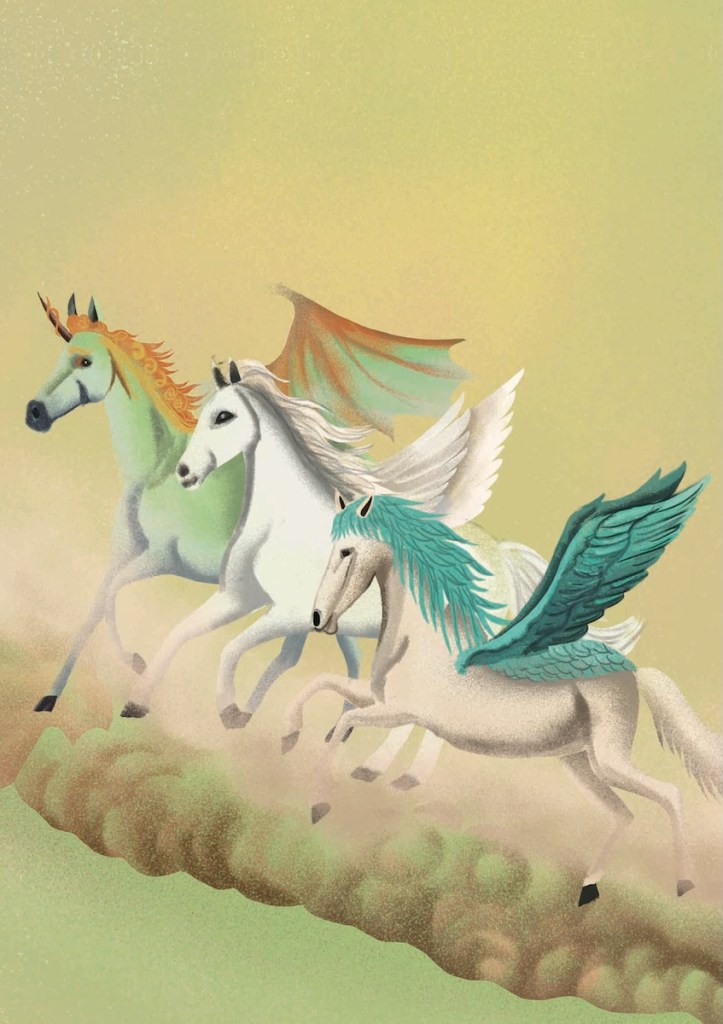
Tianma, or Heavenly Horse, was a horse said to fly and sweat blood. Some descriptions gave it dragon scales, making it one of many Longma, or Dragon Horses. Although they became a myth, they were likely based on a real breed of horses so powerful that the Han-Dayuan War of 100 BC was said to be fought over their ownership. Other mythic horses include the Qianlima, named for its ability to travel 1,000 lǐ (400 km, almost 250 miles) in one day, and Red Hare, a crimson steed so formidable it was considered a kingly gift, passed between heroes in Romance of the Three Kingdoms, a famous novelization of an ancient civil war that occupied China for almost one hundred years.
Dive Deeper
Discover your full Chinese horoscope with The Chinese Zodiac and the companion wooden magnet set and puzzle. Help younger readers explore their own horoscopes with A Kid’s Guide to the Chinese Zodiac. And learn more about Red Hare and other supernatural beings with Chinese Mythology.
Featured Titles
-
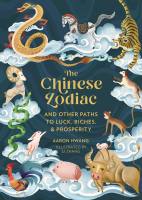
The Chinese Zodiac
$19.00
$24.00 CAD
-
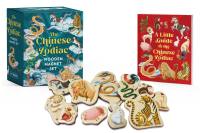
The Chinese Zodiac Wooden Magnet Set
$11.95
$14.50 CAD
-
The Chinese Zodiac 500-Piece Puzzle
$20.00
$26.00 CAD
-
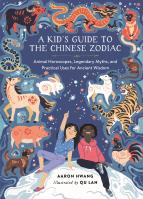
A Kid’s Guide to the Chinese Zodiac
$17.99
$23.99 CAD
-
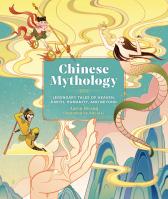
Chinese Mythology
$19.99
$25.99 CAD
Related Articles
Featured Content
-
Lunar New Year 2024: Get Kids Ready for The Year of the Dragon
-
The Year of the Rabbit: Exclusive Excerpt from The Chinese Zodiac: And Other Paths to Luck, Riches & Prosperity
-
Magic, Diversified: Celebrating AAPI Creators
-
Trickster’s Journey: Tarot Reimagined with Chinese Mythology
-
RP Mystic – Magic, Diversified