Site Preferences


Follow Us


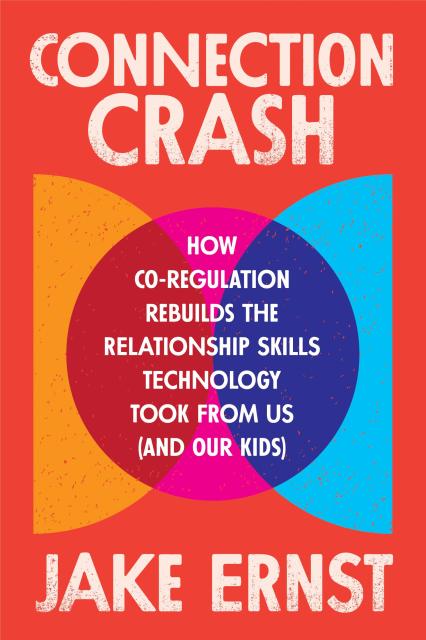
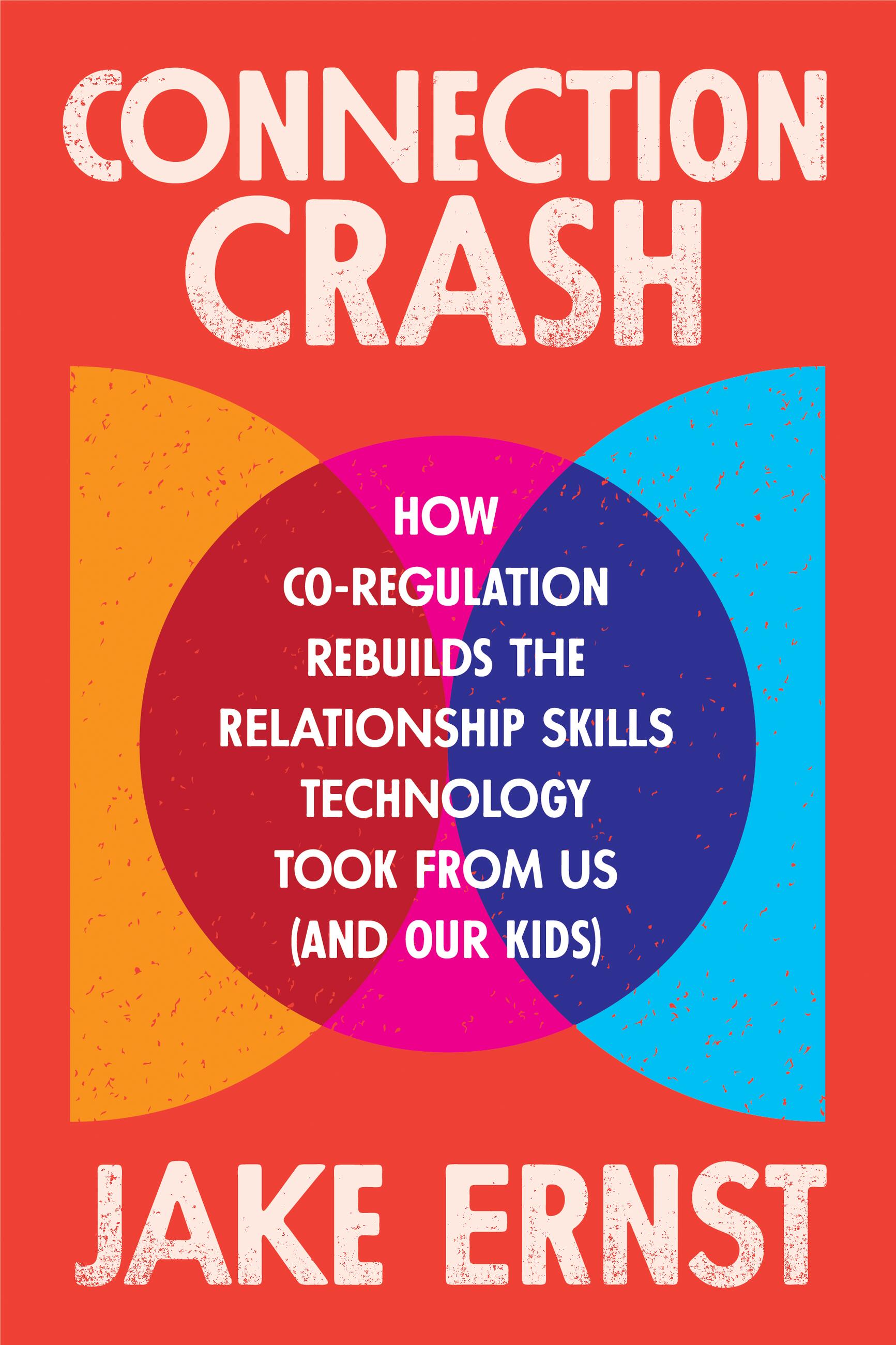
Connection Crash
How Co-Regulation Rebuilds the Relationship Skills Technology Took From Us (and Our Kids)
Formats and Prices
- On Sale
- Jan 13, 2027
- Page Count
- 256 pages
- Publisher
- Balance
- ISBN-13
- 9781538778852
Price
$12.99Price
$16.99 CADFormat
Format:
- ebook $12.99 $16.99 CAD
- Audiobook Download (Unabridged) $24.99
- Trade Paperback $18.99 $24.99 CAD
Preorder from Retailers:
For fans of The Anxious Generation and Dopamine Nation, comes a solution for recovering sustained relational health and safety in a world influenced by AI, algorithms and screens
In today’s tech-driven world, we’re feeling lonelier than ever. The presence of artificial connection is perpetuating distraction, disconnection, and distress. And no one is experiencing this more than teens. Relational therapist and community educator Jake Ernst calls this phenomenon the “connection crash.” Connection crash happens when we suppress our natural instincts to connect with others and instead turn to dopamine-driving, attention grabbing, and socially isolating apps and algorithms that offer short term comfort.
Scary? Yes. But Jake has a solution. Co-regulation is the process of developing safety through connection with others—whereby one calm person calms another. It’s the most reliable way to experience relational safety in an unpredictable world and to protect the future of our children.
Through research, case studies, exercises and scripts, Connection Crash will first show adults how to support regulation through their stress responses, manage their thoughts and emotions, and help build a reliable sense of self and relational safety with themselves and others. It will then teach readers how to build those skills with their children, so they’re better prepared to have healthy, long-lasting relationships. By the end of the book, you will strengthen your relationship with your teen, while seeing there’s a clear path forward for emotional safety and closeness in the digital age.
Genre:
-
“At a time when digital usage is at an all-time high, Jake wrote this book to help us navigate the world of technology and how to exist within it. Connection Crash is packed with skills to build discomfort, nuance, and connection. Rather than telling us to unplug, Jake offers a roadmap for staying present and genuinely connected in a hyper-connected world. This book meets readers wherever they are with their screens.”Nedra Glover Tawwab, licensed therapist and author of Set Boundaries, Find Peace
-
“Few forces shape our health more profoundly than our relationships. Today, the relationships that teenagers depend on are increasingly disrupted by technologies that alter the conditions under which they grow, regulate, and belong. Connection Crash helps us understand what is at stake—and what we can do about it. Blending attachment science and years of therapeutic experience, Jake offers a compassionate and deeply insightful guide that belongs in the hands of every parent, teacher, clinician, and helping professional.”Donna Jackson Nakazawa, author of Mind Drama and Childhood Disrupted
-
“If you have ever watched the people you love disappear into their screens, Connection Crash will help you understand the need beneath the habit. Jake Ernst reveals how we have mistaken digital soothing for safety and connection. With clinical insight and accessible tools, he shows us how to rebuild our capacity to steady one another. We do not have to regulate through life alone.”Ellen Vora, MD, author of Season of the Witch and The Anatomy of Anxiety
-
“The robots are here, but the thing humans need most is the one thing machines can't give us—each other. I've been a fan of Jake's work for years, and this book offers practical skills in a time when we need them most. As Jake notes, human relationships are neither perfect nor impossible. In an increasingly automated world, Connection Crash is essential reading.”Britt Frank, LSCSW, SEP, author of The Science of Stuck and Align Your Mind
-
“Connection Crash offers strategies to reinvest in human connection and rebuild the uniquely human skill of emotional co-regulation. Smart, compelling, relatable, and accessible to teens, parents, and adults of all ages, you’ll find yourself realizing what needs to change in your own life as you read it.”Julie Lythcott-Haims, New York Times bestselling author of How to Raise an Adult